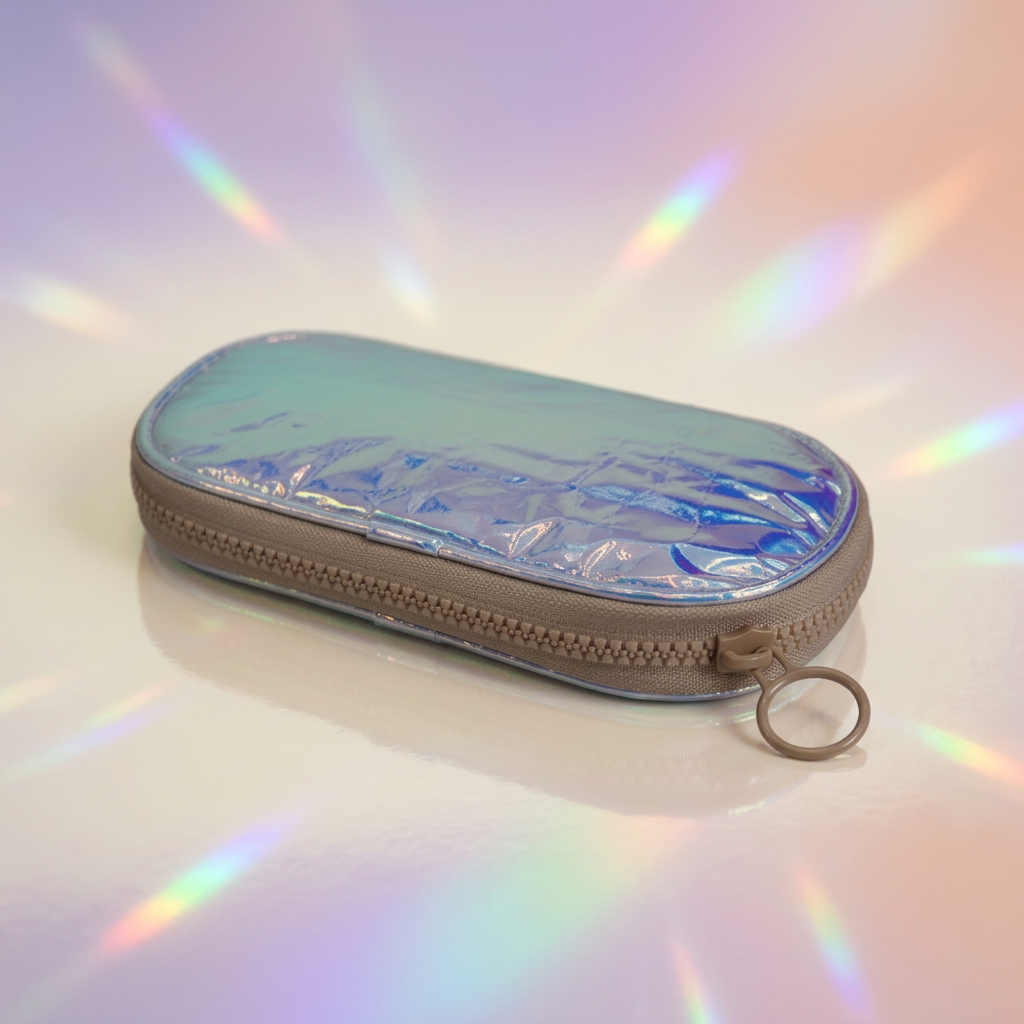
Insulin and adrenaline pens in winter: protecting them from the cold
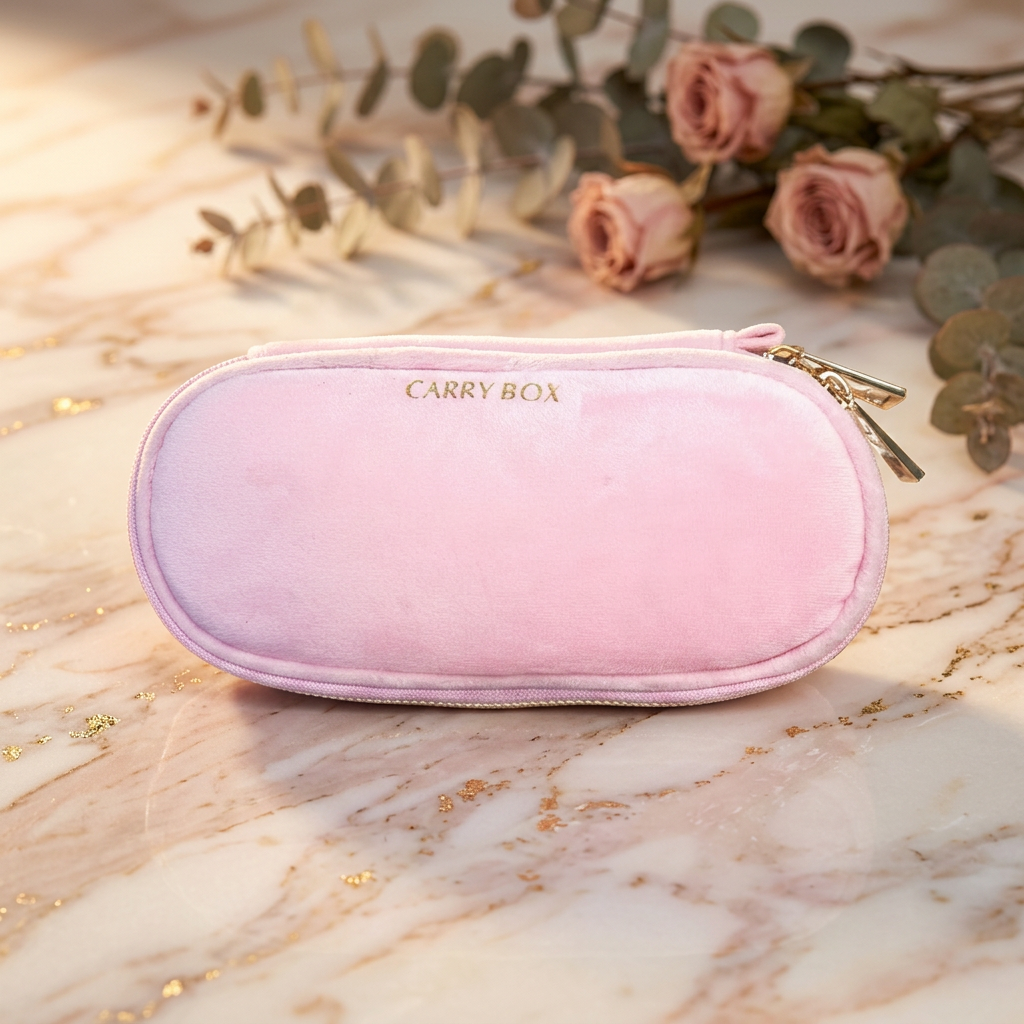
Winter changes the way everyday medicines travel with us. A school run, a railway platform or a day on the slopes can leave an insulin or adrenaline pen exposed to cold in an outer pocket, bag or parked car. The aim is not to make the medicine as warm as possible. It is to avoid unsuitable exposure while keeping essential treatment easy to reach.
Storage instructions depend on the particular medicine and presentation. Always use the package leaflet as your reference, and ask a pharmacist or your doctor about your circumstances. A carrying case cannot replace those instructions or a personal emergency plan.
Why plan for cold exposure?
Correct storage is part of using a medicine properly. Freezing, or other cold exposure outside the leaflet's instructions, can compromise medicine quality. This matters particularly when a medicine must be readily available in an emergency, as with an adrenaline pen included in an emergency action plan.
Do not assume that instructions for one pen apply to another. Insulin storage advice can also vary with the presentation and whether it is already in use. Read the storage section before a winter outing and ask a pharmacist about anything unclear. Our article on EpiPen storage conditions provides additional context, but does not replace the product leaflet.
Inside clothing, close to the body: finding a sensible balance
Carrying medicine close to your body, inside your clothing, can help limit direct exposure to cold air. Choose a secure position where the device is protected from knocks and can be removed easily. An outer jacket pocket or a bag carried away from your body does not offer the same protection.
However, close to the body should not mean excessively warm. Avoid direct heat sources, heated accessories and contact with devices that become hot. An inside pocket does not override the medicine's storage instructions. Make sure the chosen position does not press uncomfortably on the pen or interfere with its protective packaging.
Keep access straightforward
An adrenaline pen should not disappear beneath clothing that is difficult to undo. Tell a trusted companion where it is and make sure they know your emergency plan. Try reaching it while wearing your full outdoor outfit. A pocket that works at home may be awkward when your jacket is fastened and your gloves are on.
Skiing: plan for the breaks as well as the slopes
A skiing day involves more than low outdoor temperatures. Falls, lifts, changing layers and bags left outside all affect how medicines are carried. Choose a position that stays with you rather than leaving essential treatment in a bag at the bottom of a slope or with someone who may move away.
Think through restaurant stops and clothing changes so the medicine is not forgotten in a jacket you take off. Let a trusted person know where it is. For children, agree on a clear arrangement with the responsible adult, following the child's medical instructions and the activity provider's procedures.
If you use insulin, discuss exercise-related questions with your diabetes team before the trip. This article does not recommend dose changes or treatment adjustments. Safe storage and the medical management of physical activity are separate issues, even when both need attention during the same outing.
A parked car or boot is not controlled storage
A parked vehicle is not a controlled environment for medicine. Both the passenger area and the boot can become very cold, while a pen in the boot is also harder to reach. Avoid leaving your treatment there while you work, walk, shop or spend the day outdoors.
During the journey, keep it with you without placing it beside a heater vent or on a surface exposed to direct heat. When you arrive, take it with your essential belongings. Making the medicine bag part of your usual check before leaving the car can help prevent an accidental overnight stay in the vehicle.
Make winter travel easier to manage
Journeys involve transitions between homes, platforms, vehicles, terminals and accommodation. Use an identifiable place for your medicine that stays with you and remains accessible. Before setting off, check the package leaflets, relevant documents and applicable transport arrangements with the appropriate providers.
Ask a pharmacist how to prepare for the route, especially if waiting outdoors is likely. Discuss replacement arrangements with your doctor in case a storage problem occurs. For related preparation, read our guides to travelling with an EpiPen and flying with insulin.
Understand the limits of an insulated case
An insulated case provides a barrier that can slow heat exchange. It does not generate warmth, provide refrigeration or independently maintain constant storage conditions. Its performance depends on the surroundings, what is inside it and how it is carried. Insulation is a useful consideration, not proof that a medicine has stayed within its required conditions.
The Carry Box insulated adrenaline pen case should therefore be treated as an organising and insulating accessory, not a guarantee against freezing. Check its specifications and compatibility with your device. Our EpiPen case guide and insulated insulin pen case guide explain useful points to consider when choosing a case.
Hot-weather storage raises different questions. For that separate situation, see our article on insulin storage during summer and heatwaves, available in French.
If you suspect the medicine has frozen
Do not use its appearance as reassurance that it is still suitable. Check the package leaflet and contact a pharmacist or your doctor promptly for advice about the medicine and any replacement needed. Do not change your treatment to compensate for uncertainty about storage.
If an emergency occurs, follow your emergency action plan and contact emergency services. Explain the concern about the medicine's storage immediately rather than waiting for a routine reply. Check expiry dates before departure too: our article on what to do with an expired adrenaline pen covers that separate issue.