Expired adrenaline pen: what to do and how to remember the date

Preparing for a holiday visit, changing your everyday bag or sorting school supplies can all provide a useful opportunity to check your adrenaline pens. In November, add their expiry dates to your end-of-year preparations. The aim is not to create another worry, but to avoid discovering an overdue replacement just as you are leaving home.
This article covers everyday organisation, not individual medical decisions. Always refer to the manufacturer's leaflet and your doctor or pharmacist. In an emergency, follow your personal care plan and contact local emergency services. This article does not advise whether to use or not use an expired pen during an emergency.
Where is the expiry date on an adrenaline pen?
The location depends on the brand and model. You may find expiry information on the device label, its protective container or the outer carton. Check the leaflet supplied with your particular pen to identify the relevant marking. A replacement model may not display the information in the same place as your previous device.
Check the actual pen, not just your calendar
Place the pen and its packaging together and look for the expiry marking described in the leaflet. If you have several prescribed devices, record each date separately. A clear photograph can support your records, but it does not replace checking the pen you actually carry.
If the marking is faded, unclear or difficult to interpret, ask a pharmacist for help. Do not calculate expiry from the purchase date, dispensing date or the day you opened the packaging. Follow the leaflet and professional advice when interpreting an unfamiliar date format.
Why observe the expiry date if the pen looks fine?
The expiry date is manufacturer information that must be observed alongside the stated storage conditions. Clean packaging and an apparently intact device cannot establish whether the medicine remains suitable. Appearance does not extend the date printed on the product, and a personal visual assessment cannot replace professional advice.
Equally, a future expiry date does not remove the need to follow storage instructions. If your pen has experienced unusual conditions, has been damaged or shows a change identified as concerning in its leaflet, contact a healthcare professional. Do not simply wait for your next calendar reminder to raise the issue.
Keep checks specific to your device
Any inspection instructions in the leaflet apply to that particular model. They should not be treated as a way to judge medicine effectiveness yourself. For more background on everyday storage organisation, read our article on EpiPen storage and temperature, alongside the manufacturer's instructions.
Arrange replacement with your doctor or pharmacist
If an expiry date is approaching, or you discover that it has already passed, contact your doctor or pharmacist to organise the next steps. Explain which device you have, the date you have recorded and any difficulties obtaining your prescribed treatment. They can advise on the process appropriate to your prescription and circumstances.
Have useful details ready: the device name, your prescription information, where your prescribed pens are kept and any upcoming travel. If a different model is being considered, ask for the relevant explanation and training. Do not assume that instructions you learned for another auto-injector transfer directly to the new device.
Include pens kept with other carers
Depending on your personal care arrangements, prescribed pens may be kept at home, with school belongings or with another responsible adult. Make an inventory of the devices included in your care plan. Coordinate replacement with those involved, without independently changing the prescription or the number of pens your plan requires.
Ask your pharmacist how to dispose of an expired pen
Ask a pharmacist which local disposal procedure applies to your auto-injector. Arrangements can differ between countries, communities and collection services. Do not assume that every pharmacy automatically accepts every device or that the same procedure applies wherever you travel.
Explain whether the device has been used and ask whether a particular collection container is required. Do not dismantle the pen to separate its components. Follow the manufacturer's leaflet and professional instructions for handling it, storing it while awaiting disposal and taking it to the designated collection point.
Keep your records clear about which devices require replacement and which form part of your current care arrangements. Asking about disposal should not take the place of arranging renewal. Your pharmacist can help you coordinate these steps and avoid confusion between old and replacement devices.
Build a November, holiday and back-to-school routine
Choose a memorable prompt: preparing for festive visits, reorganising bags or reviewing family arrangements in November. Use it to check that each recorded date still matches the right pen. A reminder labelled only “medicine” is less helpful than one that clearly identifies the device and the person responsible for following up.
Make shared reminders actionable
- Record the expiry date exactly as shown on the device.
- Allow for the renewal arrangements recommended by your healthcare professional.
- Agree who will contact the doctor or pharmacist.
- Update the reminder after a replacement arrives.
- Check that relevant carers and school staff have the updated information.
Before a holiday, include the expiry check when organising documents and luggage. Our article on travelling with an EpiPen can support those preparations. At the start of a school term, review where the prescribed equipment is kept and who manages it. If your trip also involves insulin, see flying with insulin, without transferring insulin-specific instructions to adrenaline.
A shared calendar can help, but responsibility should remain clear. If a reminder is dismissed because someone else is expected to act, the task can disappear from view. Mark the renewal as completed only when the relevant arrangements have actually been checked.
An insulated case does not extend a pen's expiry date
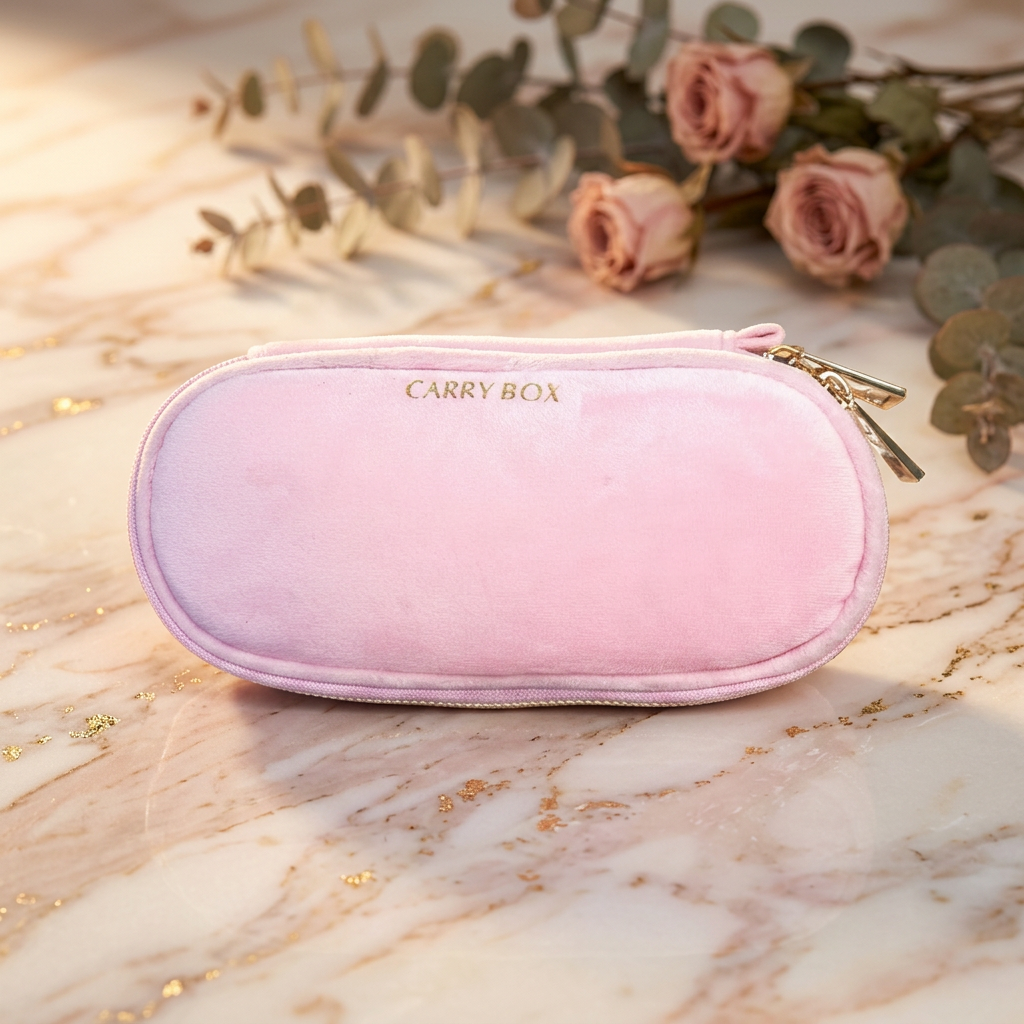
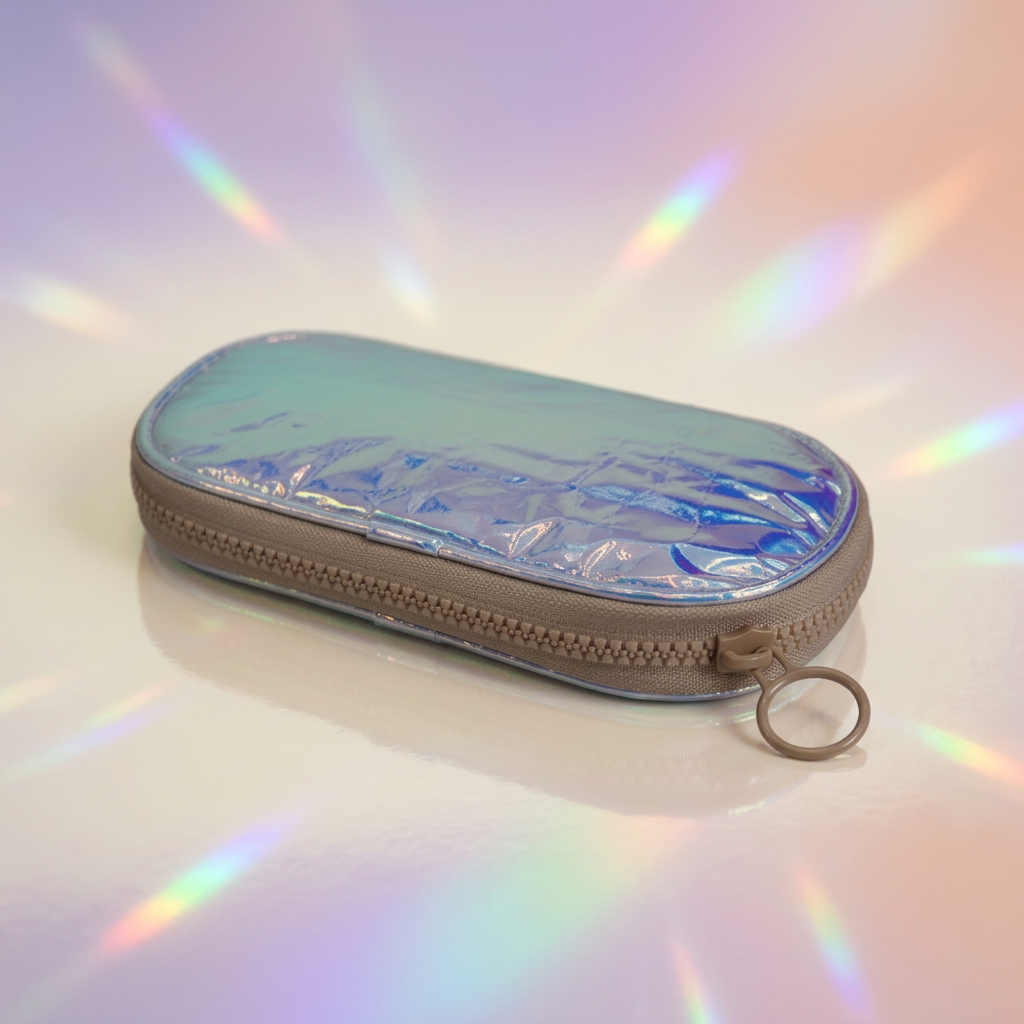
A case can be part of your carrying arrangements. The Carry Box adrenaline pen case is insulating: it does not actively cool or heat. It does not guarantee a maintained temperature, replace the manufacturer's storage requirements or extend the expiry date of the medicine inside.
Our EpiPen case guide and adrenaline auto-injector case guide explain the case's role in everyday organisation. For seasonal preparations, also read insulin and adrenaline pens in winter cold. Keep accessible storage, expiry checks and professional guidance at the centre of your routine.