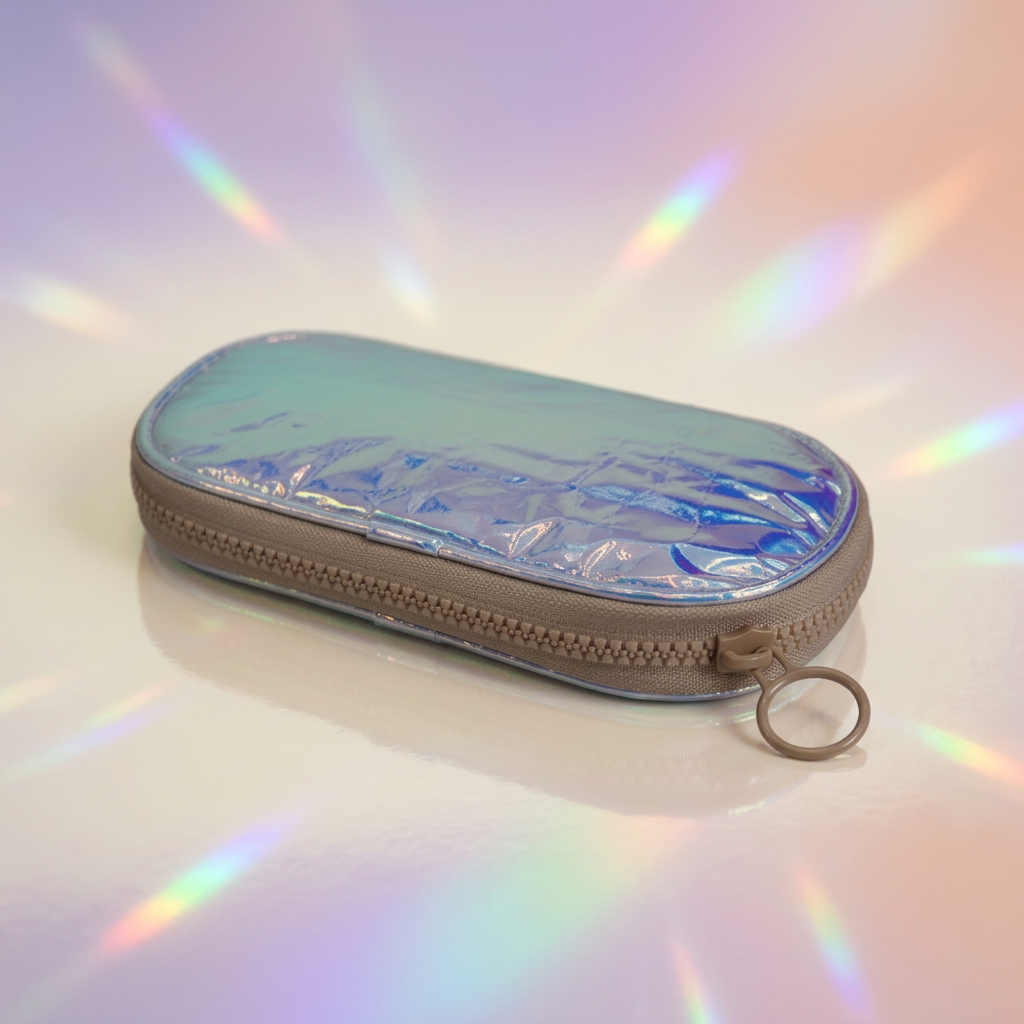
Food allergy at school: allergy action plan and emergency kit
When a child with a severe food allergy starts nursery or school, a clear written plan and an easy-to-find emergency kit make everyone more confident. Procedures differ by country and school, so always follow your doctor's and the school's instructions.
1. An individual allergy action plan
Most schools work with a written allergy action plan, completed by your doctor or allergist. It describes the allergens, the symptoms to watch for and what to do — including when and how to use the adrenaline auto-injector (EpiPen, Anapen, Jext).
2. Talk to the school early
Contact the school before the first day: ask what form they use, who keeps the medicines, and how the plan travels on school trips and in the canteen.
3. The emergency kit
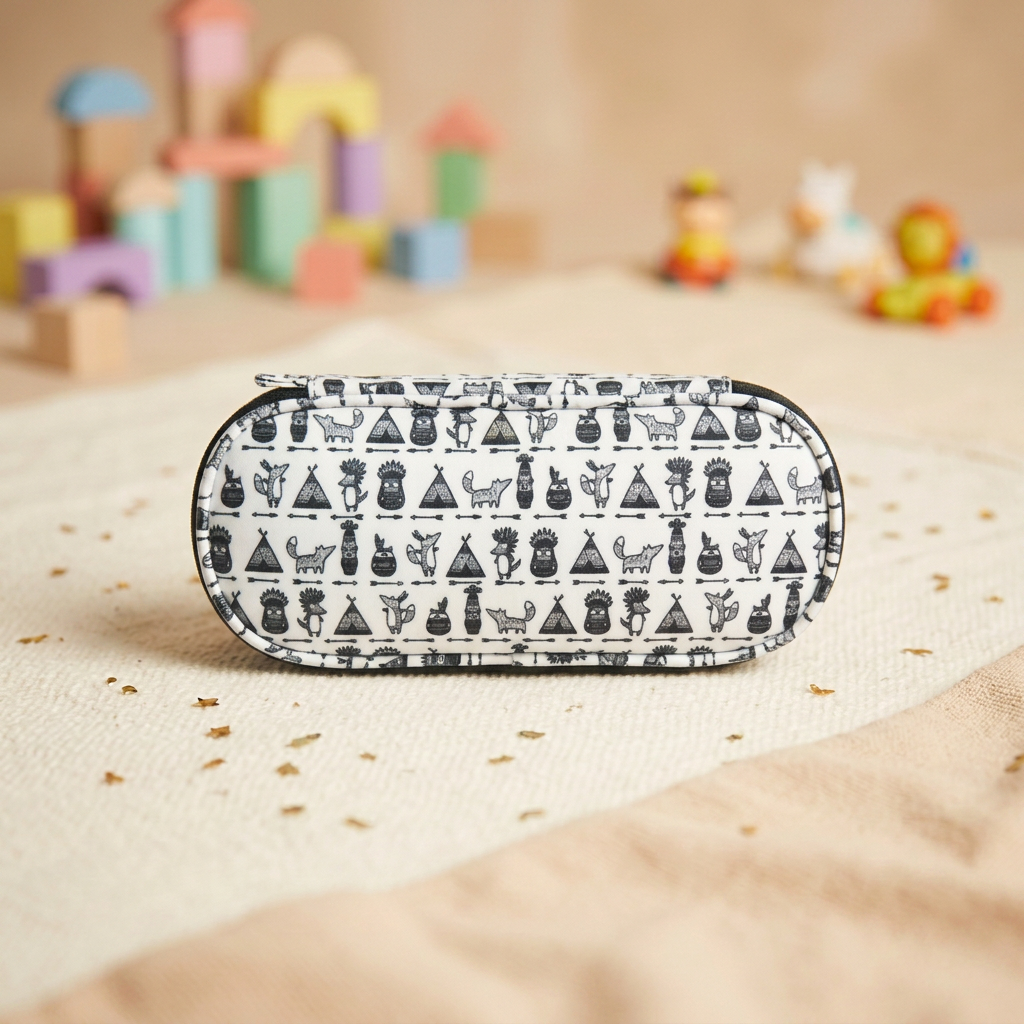
A dedicated insulated case typically contains the two prescribed pens, any other medicine on the prescription, a copy of the action plan and a photo of the child. Our patterned kids' model is easy for teachers to recognise.
4. Train and reassure the team
Offer to show staff a trainer pen and explain the signs of a reaction. Many allergy charities provide free materials for schools.
5. Check every term
Check the expiry dates of the pens and update the plan whenever the prescription changes.
Read also EpiPen storage and temperature.